How the five storytelling worlds divide the roster
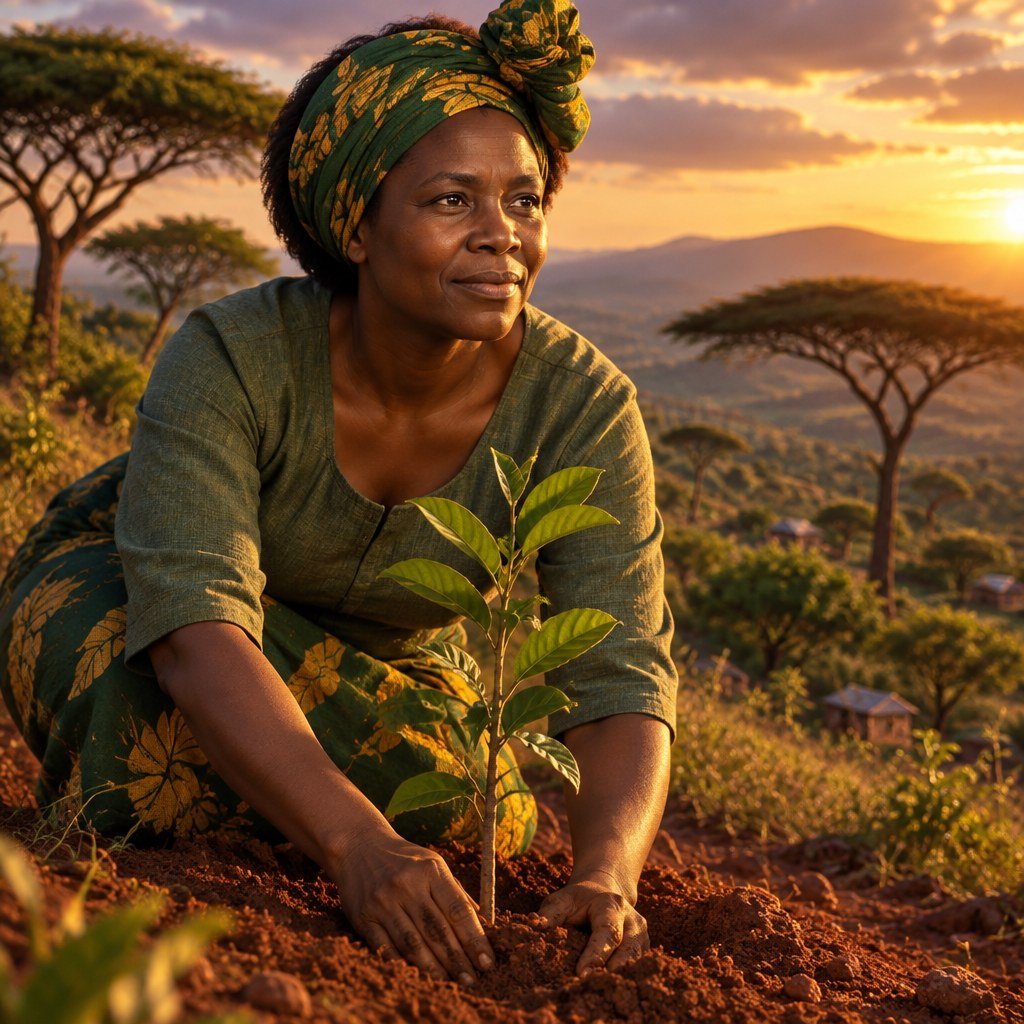
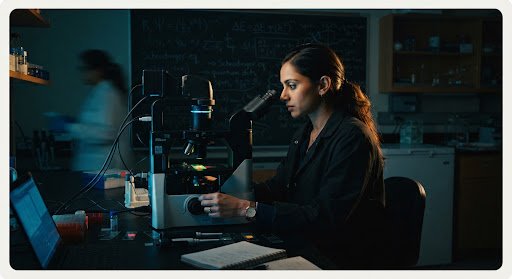
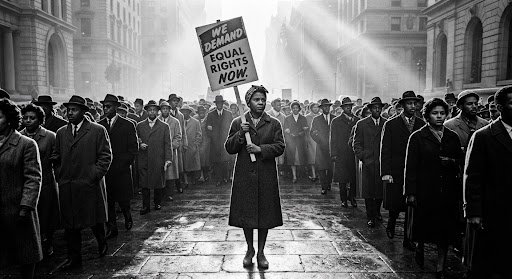
The five storytelling worlds exist so that no life has to be filed under ‘other’. The Mind gathers science and mathematics. The Courage covers frontiers and humanitarian risk. The Arena holds sport and leadership. The Vision collects art and literature, while The Change tracks civic and environmental reform.
Because every profile is filed under exactly one of the five storytelling worlds, the roster stays legible when it grows. For example, a reader who cares about climate organising can walk straight to The Change and ignore the rest, and a teacher building a science unit can do the same with The Mind.
In addition, the worlds are lenses rather than boxes. We often pair them across a screening series so that a laboratory story sits beside a story of political courage. As a result, the master story roster reads as an argument about what kinds of achievement we choose to notice.
The five storytelling worlds also borrow their standards of evidence from heritage practice: every entry is checked against the documentation principles set out by the UNESCO World Heritage Centre, and the same five storytelling worlds reappear across the screening series.
Where the five storytelling worlds meet
The five storytelling worlds meet more often than they divide, which is why a single dossier can sit at the edge of two of them.